Since Summer 2019, we have been on an exciting journey with ‘The Earth Museum.’
The concept was born from our founder, Dr. Janet Owen, who brings 30 years of experience in the museum and cultural heritage sector, combined with a passion for travel and exploration.
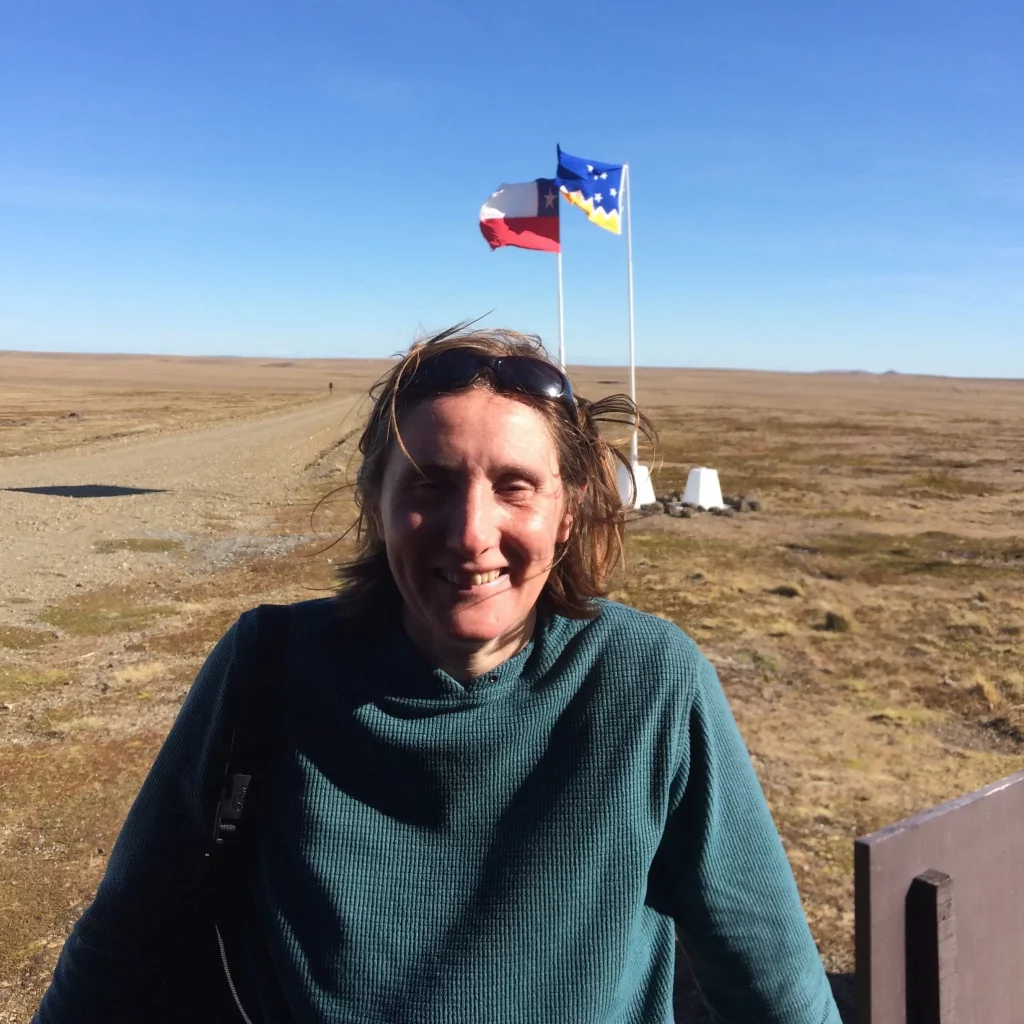
Driven by a deep interest in the community stories behind museum artifacts, her research into the collecting expeditions of Charles Darwin and Alfred Russel Wallace in 2015-16 sparked a new idea. What if digital interactive maps could reconnect the artifacts they gathered—now housed in Western museums—with their original places of discovery worldwide? Building on this, could digital heritage maps serve as powerful tools to share the rich tapestry of human stories and their connections to each other and the planet? This approach could unlock fresh, enriching learning opportunities for young people and lifelong learners alike, bridging subjects and crossing geographical boundaries.
Janet was joined by Etske Bijl, Sue Kelly, and Che Bishop as directors of The Earth Museum, a not-for-profit organization founded to explore these vital questions. Together, we developed a bold vision and a clear set of values that continue to guide our core purpose today:
The Earth Museum is an experimental not-for-profit enterprise, with a vision to create a virtual learning resource used in every home, classroom, museum and place, sharing and connecting the world’s cultural and natural heritage with people and places; empowering us to understand each other and look after the planet better.
We constantly strive to be true to our values:
To inspire compassion and solidarity
To be trustworthy and act with integrity
To respect and value diverse experiences
To promote a sense of belonging, emphasising identity and accessibility
To become climate positive and champion sustainability in others
We developed an innovative website using Esri ArcGIS Online and conducted in-depth research to explore the potential of creating a new learning platform featuring heritage content for global citizenship.
This project involved collaborating with guest storytellers and dynamic community heritage organizations worldwide to create a World of Stories with interactive mapped content. We also engaged with local schools on the Isle of Wight and South Coast to explore how The Earth Museum concept could enhance cross-curricular enrichment in classrooms. These efforts have resulted in impactful, multi-year partnerships with Gosport and Fareham Multi-Academy Trust, and with Isle of Wight primary schools as part of the broader Isle of Wight Museums and Schools initiative.
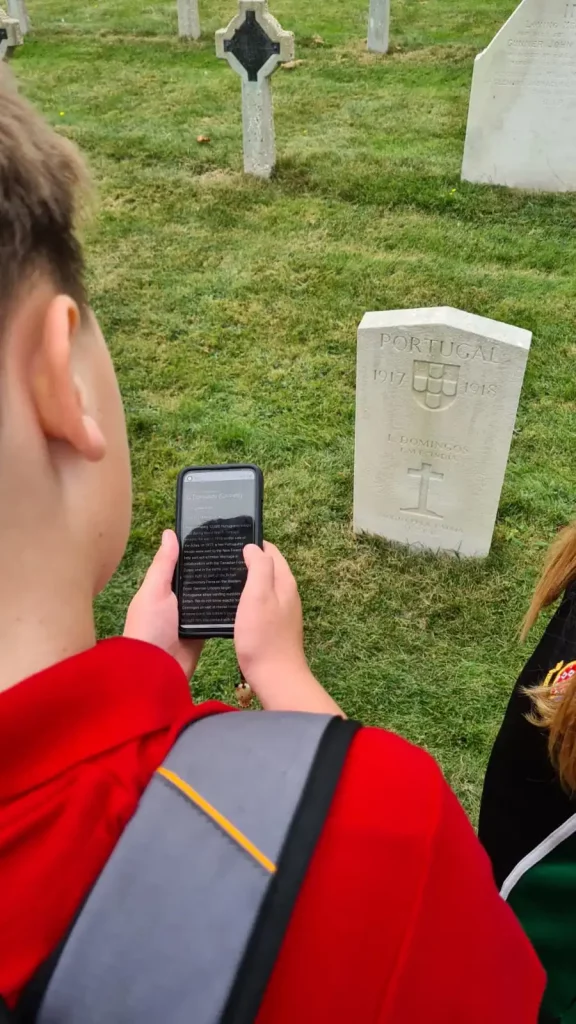
‘ Children at Barton Primary School enjoyed using the Earth Museum resource to explore the world map, uncovering artefacts found on the Isle of Wight, the Uk and wider world. This enabled them to compare life in ancient Britain to ancient Greece and better understand the concept of civilisations. Geography skills were also used when children uploaded their own detailed drawings of Anglo-Saxon artefacts to the Earth Museum platform, using longitude and latitude to show the precise location the artefacts were excavated. The children were delighted to be able to share their published work with their parents online. The Earth Museum brought the History topics to life for the children and engaged them through explorative and practical learning opportunities. It also allowed the children to link life in past times to the local environment they live in.’
Tamsyn Lingard-Lane, Barton Primary School, Newport, Isle of Wight
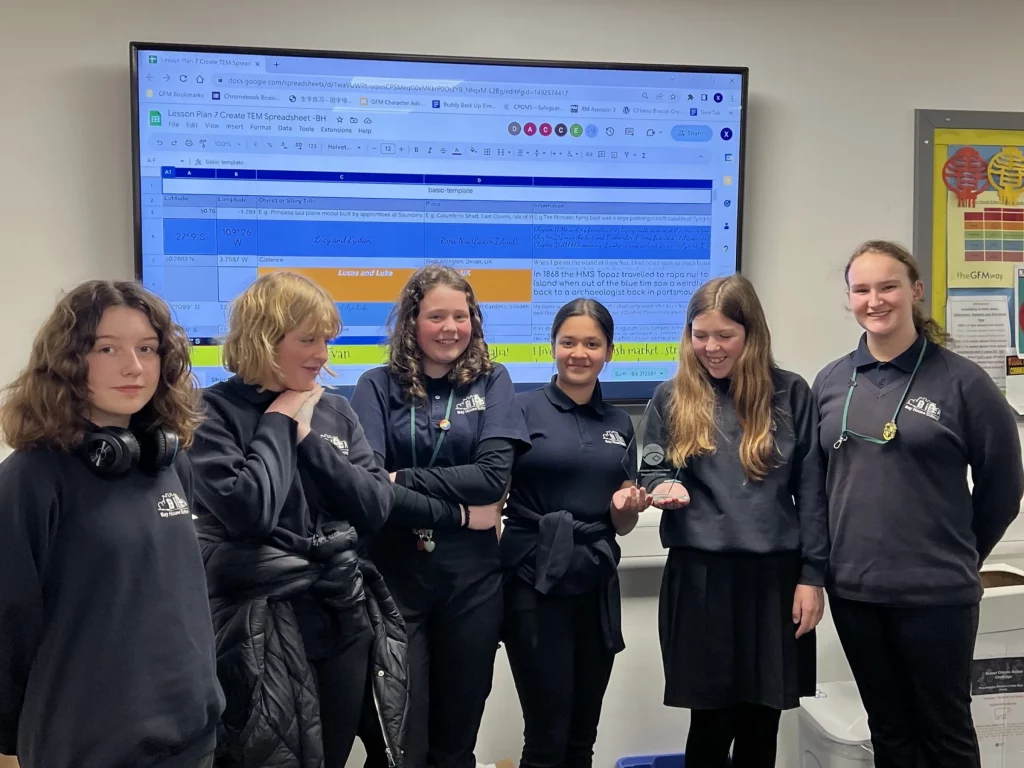
‘From our school’s perspective, The Earth Museum resources have had a significant impact on student engagement and learning. Through virtual tours, videos, images, and interactive maps on their website, our students can explore and research different geological formations, ecosystems, biodiversity, local history and culture, allowing them to engage with the subject matter on a deeper level. The field trip to the Isle of Wight further enhanced their engagement, making the learning process more enjoyable and also building a real-world connection to this project.’
Xin Lu, International Schools Coordinator at Gosport and Fareham MAT
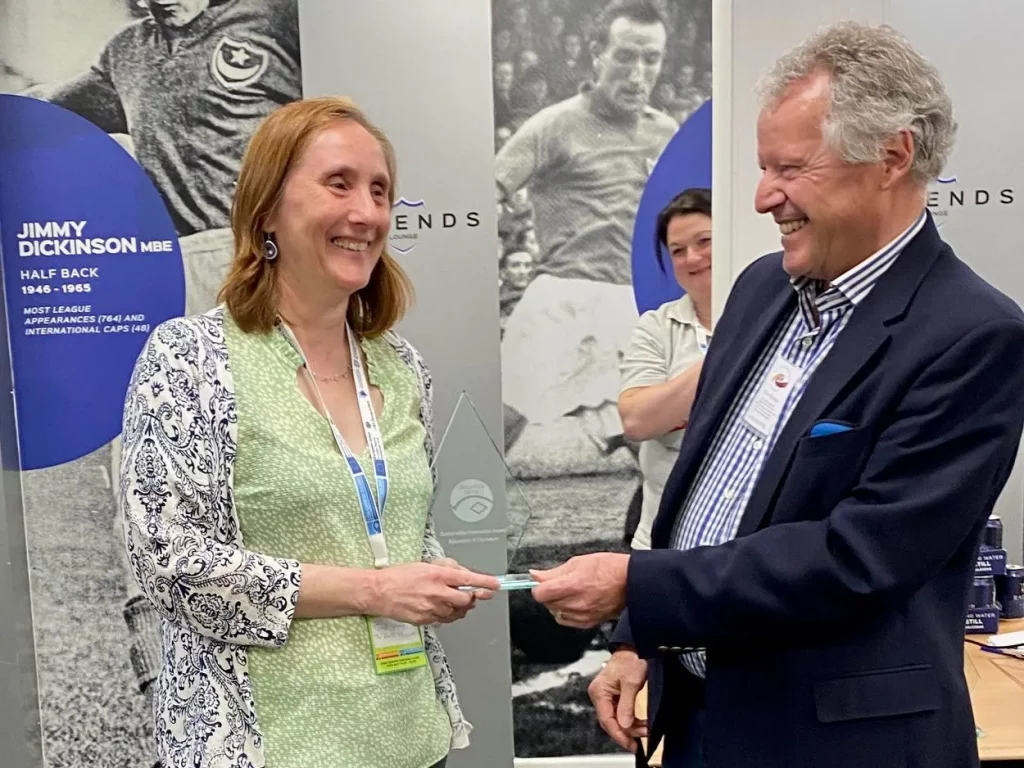
In 2023, The Earth Museum received the Low Carbon Solent Sustainability and Innovation Award from GreenTech South, honouring our dedication to Education and Outreach.
‘The Earth Museum’s committed vision and supporting actions are exactly in line with UN Sustainability goals to share social value across all parts of our community.’
Presenter of the Award, Clive Bonny of Strategic Management Partners
Our research and development efforts have been made possible through generous grant funding from Green Tech South, Historic England, Arts Council England, the Department for Education Museums and Schools, private trusts, sponsorships, and revenue from heritage consultancy projects. We deeply appreciate the invaluable support provided by these organizations and individuals.
We have spent time developing a proposition which is both exciting and with huge potential for impact especially in today’s fragmented world. Today we are ready to step forward into the next phase of our journey introducing our new EarthMuseum and Heritage Origin platforms supported by an evolving governance and new directors, Max Owen-Robertson (Technology specialism) and Emma Roberts (Creative Direction expertise). Working in partnership too with the technology team at KnowNow Information in Portsmouth.