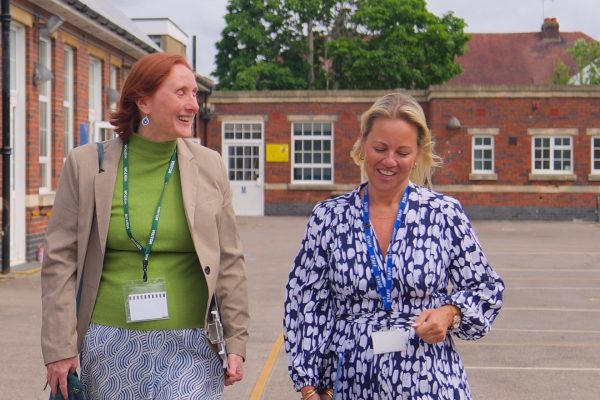
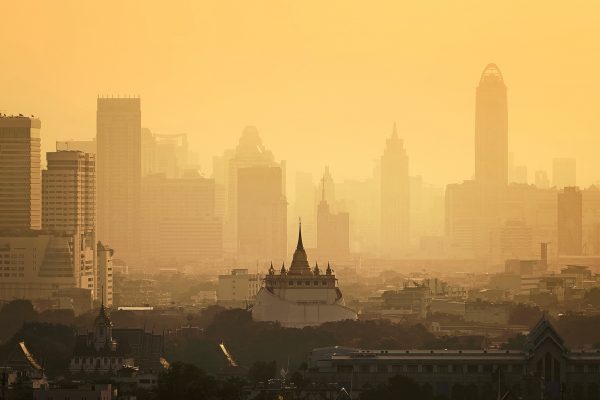
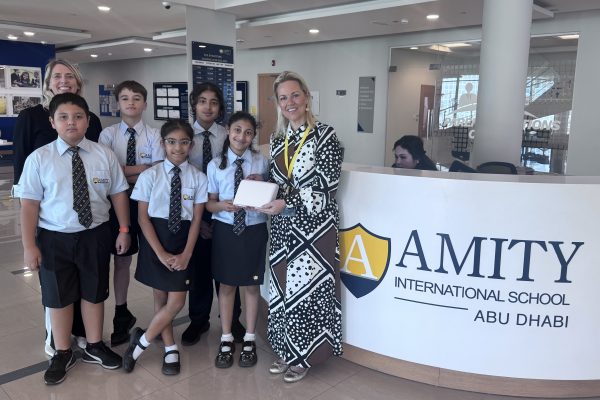
We are delighted to announce a new three-year partnership between The Earth Museum and King’s Group Academies (KGA), marking a significant step forward in embedding sustainability education across KGA’s network of 15 schools and their international partnerships. This exciting collaboration will support the development of a shared international sustainability programme, […]
Read MoreArticles by admin
Empowering Young Voices on Air Quality: KGA’s ‘Air We Breathe’ Programme in Action
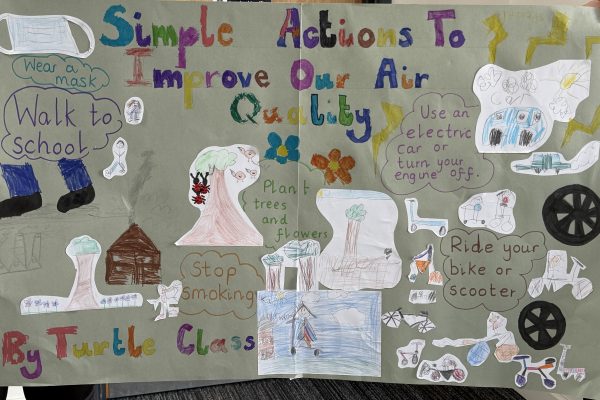
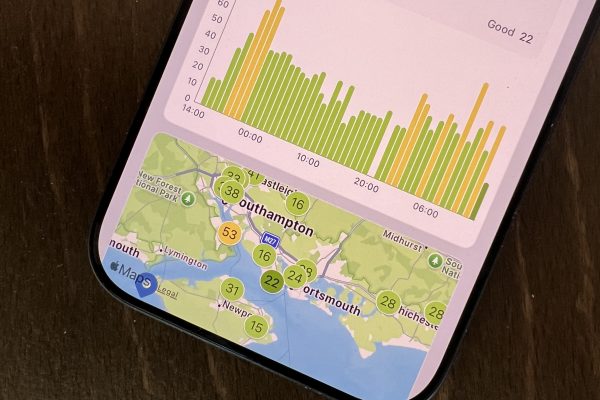
Yesterday, Pauline Stirling and I had the pleasure of spending a fantastic day at King’s Academy Bay House in Gosport (UK), introducing 360 Year 7 pupils to the Air We Breathe programme as part of their International Day. Despite the heat, students showed impressive engagement with the central question: What […]
Read MoreWest Wight: Portraits of a Landscape – a sensory engagment project
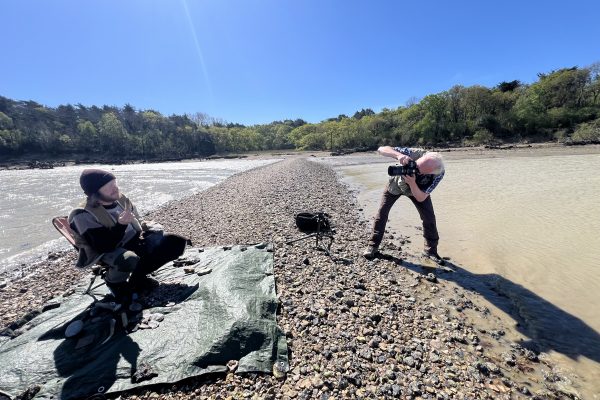
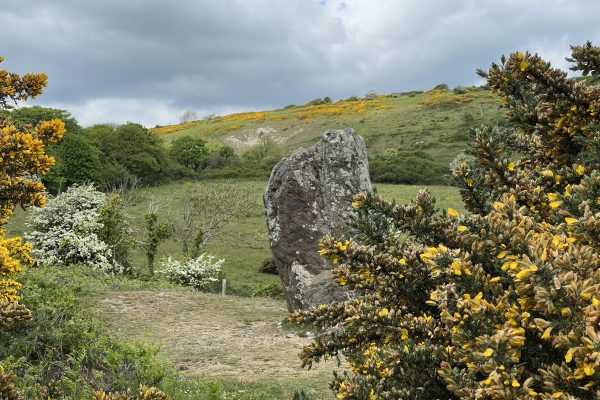
A live multi-sensory project exploring life in our home place on the Isle of Wight, through photographs, sounds, and shared stories. Creating an exhibition and creative schools learning resources. Celebrating both deep-rooted traditions and contemporary innovation through the stories of those who live and work in connection with the land […]
Read MoreFrom Global to Local: Learning That Connects Communities
One of the most powerful aspects of our learning platform is its ability to bridge the global and the local. As well as presenting global programmes, we bring together community-centred stories from around the world and weave meaningful connections between them—helping learners understand how local experiences shape our shared global […]
Read MoreReal‑Time Air, Real‑World Learning: A Collaborative Extension of Air We Breathe
The Air We Breathe learning programme is completely free for schools worldwide—no matter where you’re based. We’ve also created an exciting collaborative extension that delivers a richer, cross‑curricular learning experience. Schools receive hands‑on educational support from EarthMuseum Learn’s expert team to build a bespoke Air We Breathe menu of learning […]
Read MorePowering the Next Generation of Globally-Connected Spatial Storytelling
EarthMuseum Learn is built on our proprietary, next‑generation, web‑native system for spatial storytelling: HerO (short for Heritage Origin). To bring HerO to life, we partnered with KnowNow Information, a Portsmouth‑based information technology company renowned for digital innovation, data‑driven applications, and user‑centred platform design. Working closely with our team, KnowNow translated […]
Read MoreAir We Breathe developed with support from academic experts
Our innovative new educational resource helping pupils understand the science and impact of air pollution was developed with support from the Sustainability and Resilience Institute (SRI) through its Clean Air South network. Clean Air South, which works with partners across southern England to tackle air pollution through research, collaboration and […]
Read MoreBuilding the Air We Breathe Project: Early Steps Toward a Global Learning Network
Since January, we’ve been working closely with the amazing King’s Group Academies and their international partners as we begin piloting Air We Breathe in real classroom settings. Ten schools across the south of England — together with their partner schools worldwide — are starting to weave activities from the programme […]
Read MoreIntroducing the Isle of Wight Heritage Biosphere Learning Menu
The Earth Museum proudly partners with the Isle of Wight Museums and Schools programme. Over the past five years, we have been gathering stories from the collections of 11 Island-based museums and developing learning resources that span the school curriculum. This year, we are excited to bring all this rich […]
Read MoreWhat Can the Titanic Teach Young Learners About the History of Air Pollution?
The story of the RMS Titanic is often remembered for its luxury, ambition, and tragic end — but it also offers a window into the history of air pollution. Built for both speed and comfort, the Titanic was designed to cross the Atlantic in just six days. This was a […]
Read More