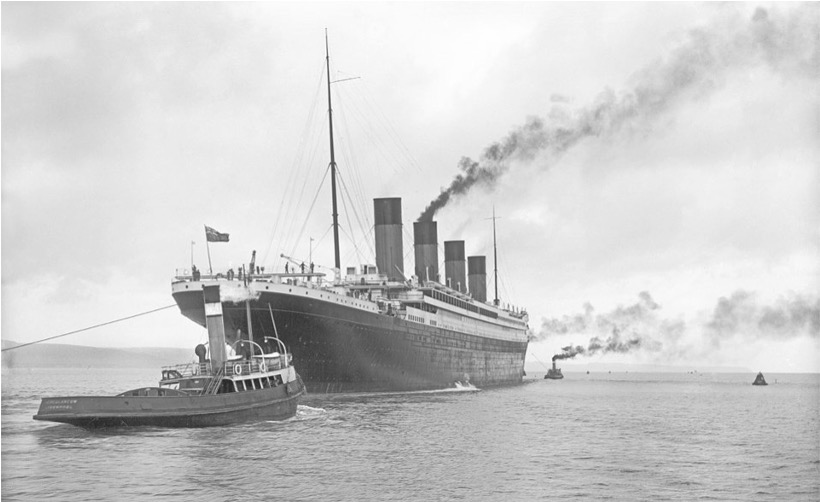
The story of the RMS Titanic is often remembered for its luxury, ambition, and tragic end — but it also offers a window into the history of air pollution. Built for both speed and comfort, the Titanic was designed to cross the Atlantic in just six days. This was a remarkable leap compared to traditional sailing ships, which by 1912 were mostly used for cargo and typically took 25–30 days to complete the same journey.
What powered this dramatic shift? Coal — and lots of it.
Steamships transformed global travel, but their speed came at the cost of burning enormous quantities of coal, contributing to the growing air pollution of the early 20th century. Through The Air We Breathe learning programme, young “history detectives” explore this important environmental story through the lens of the Titanic.
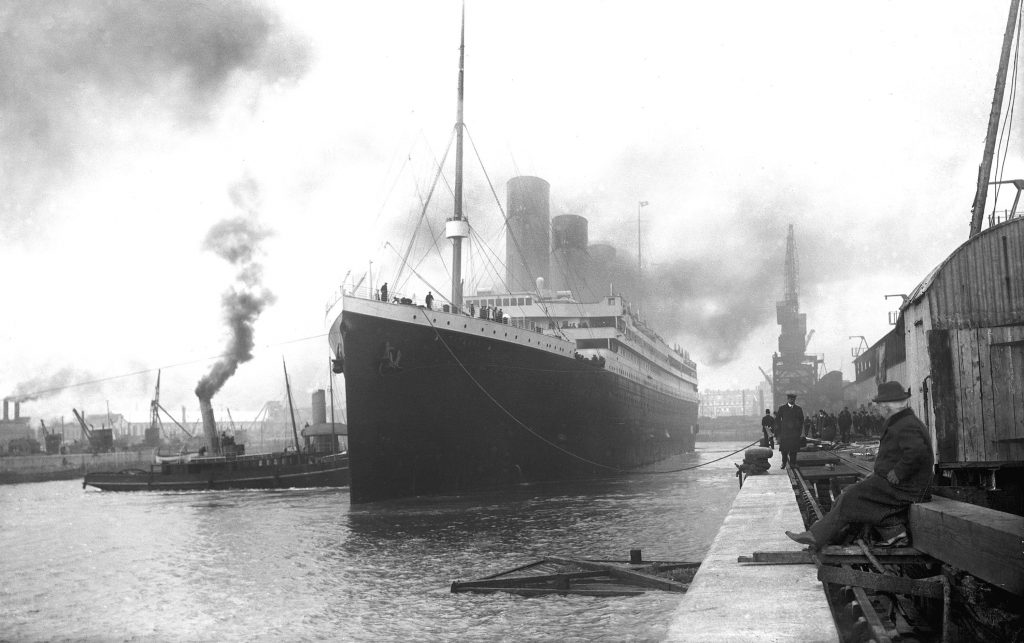
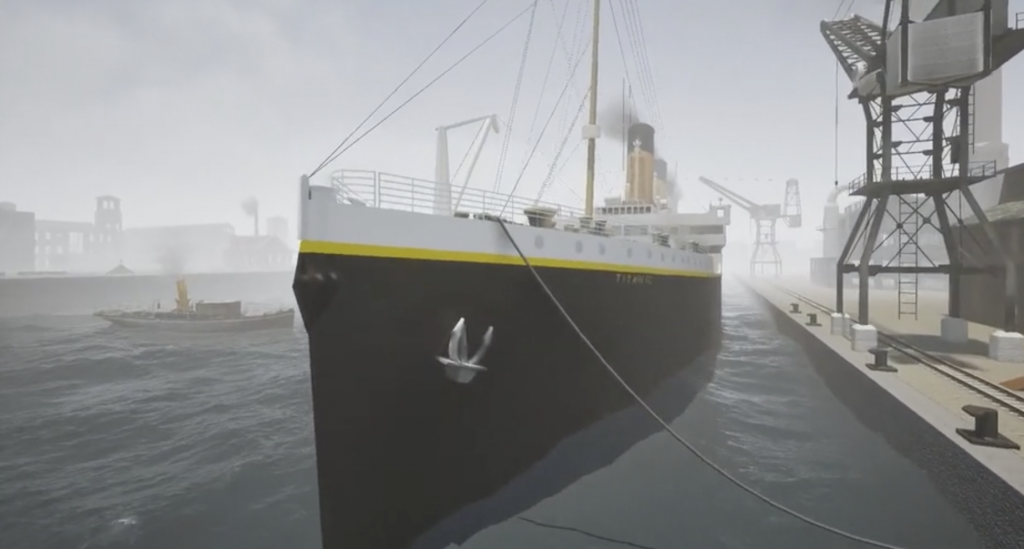
Learners engage with a virtual reconstruction of the ship, created in Unreal Engine by the innovative team at Imito. This immersive scene helps them understand the Titanic’s deep connection with coal-powered steam technology. A short maths activity strengthens arithmetic skills, and students then investigate real historical data from the Lloyd’s Ship Registers to see how global shipping shifted from sail to steam.
Curious to dive deeper? Explore more in The Air We Breathe learning programme on the EarthMuseum Learn platform.